Zimbabwe / Zambia
The Shona are one of Zimbabwe’s largest cultural and language groups, known for ChiShona, family-centred values, roora marriage customs, mbira music, mitupo totems, stone sculpture, sadza-based meals, and respect for elders, ancestors and community.

Mhoro
Hello · ChiShona
Mhoroi
Hello to more than one person · ChiShona
Makadii?
How are you? · ChiShona
Ndiripo / Ndiri bho
I am fine · ChiShona
Mangwanani
Good morning · ChiShona
Masikati
Good afternoon · ChiShona
Manheru
Good evening · ChiShona
Ndatenda
Thank you · ChiShona
Ndapota
Please · ChiShona
Pamusoroi
Sorry / excuse me · ChiShona
Sara zvakanaka
Goodbye / stay well · ChiShona
Fambai zvakanaka
Goodbye / go well · ChiShona
The Shona are a major Bantu-speaking people mainly associated with Zimbabwe, with communities also found in neighbouring parts of southern Africa and in the wider diaspora. ChiShona is widely spoken in Zimbabwe, but Shona identity is not one single uniform culture. It includes related regional and dialect communities such as Zezuru, Karanga, Manyika, Korekore, Ndau and others, each with local history, speech patterns and customs.
Shona culture places strong value on family, respect for elders, kinship, marriage negotiations, hospitality and community responsibility. Identity is often connected to lineage, clan praise names, home area, surname and mutupo, the totem system that links people to family history and social rules.
Traditional belief systems recognise Mwari as the Supreme Creator, with ancestral spirits also playing an important role in family identity, moral guidance and cultural ceremonies. Today, many Shona people are Christian or follow blended modern and traditional practices.
For relationships and marriage, family involvement is very important. A serious union is traditionally not treated as a private agreement between two individuals only; it also connects families. Roora, often called lobola, is part of the customary marriage process and is used to show respect, appreciation and commitment between families.
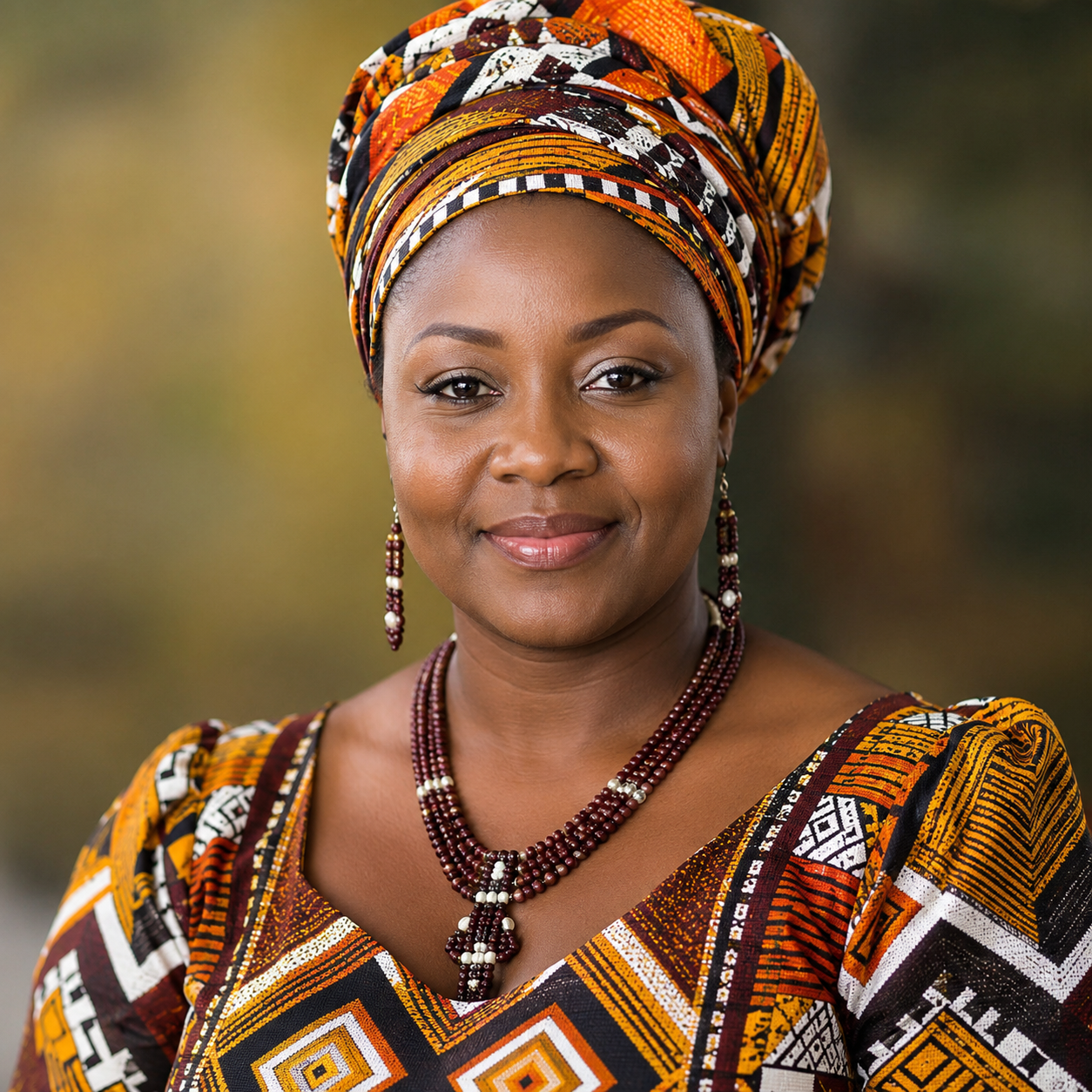
Traditional Shona clothing historically included animal-skin garments, locally made coverings, beadwork and practical dress suited to farming, family life and ceremonial settings. In modern cultural events, weddings and roora ceremonies, Shona people often wear smart formal clothing, African-print outfits, headwraps, beads, shawls and coordinated family colours.
Dress is usually chosen to show dignity, respect for elders and the importance of the occasion. At family negotiations, church weddings, funerals and cultural gatherings, neat presentation and respectful conduct often matter more than a fixed costume.
Shona roora varies by family, region and agreement. Common items or stages may include:
The exact list should always be confirmed by the families involved because Shona roora is not identical across all families, regions, churches or generations. Roora should not be reduced to a purchase price; its cultural meaning is respect, gratitude, commitment and family union.
Shona performance traditions include mbira-led ceremonies, ngoma drumming, hosho rattles, singing, hand-clapping and communal dancing. Common cultural references include mbira music, bira ceremonies, traditional drumming, jiti, mhande, mbakumba, dinhe and other regional dance styles performed at celebrations, ceremonies and community gatherings.
Dance can express celebration, storytelling, spiritual communication, thanksgiving, courtship, social unity and family memory. In modern settings, traditional Shona sounds may also blend with sungura, gospel, chimurenga music, urban grooves and contemporary Zimbabwean styles.
Common Shona meals include sadza served with vegetables, meat, chicken, beef, goat, dried fish, beans, peanut-butter vegetables, muboora pumpkin leaves, covo, rape, nyemba beans, derere, dovi peanut sauce, mahewu and traditional beer such as hwahwa in ceremonial contexts.
Food is strongly connected to hospitality, family gatherings and respect for guests. At roora meetings, funerals, weddings and family visits, feeding people properly is a sign of care, dignity and social responsibility.
Shona artistic traditions are strongly associated with stone sculpture, especially soapstone and serpentine carving, as well as pottery, basketry, wood carving, beadwork, ironwork and decorative household items.
These crafts often reflect family life, spirituality, animals, identity, protection, transformation and respect for nature. Shona sculpture is one of Zimbabwe’s most internationally recognised art forms, while local crafts continue to support household use, ceremony, tourism and cultural expression.
Shona origins are understood through a combination of oral history, clan traditions, archaeology and regional history. Shona-speaking communities are closely associated with the historical civilisation of Great Zimbabwe and later states such as Mutapa and Rozvi influence.
Different Shona groups preserve their own local origin stories through family histories, praise names, clan names, totems, sacred places and chiefly lineages. These stories are not always identical, so it is best to describe Shona identity as a broad cultural-linguistic family rather than one single origin narrative for every household.
Shona-speaking communities developed across the Zimbabwean plateau and surrounding regions over many centuries. Their history is linked to farming, cattle keeping, iron working, trade, stone settlement traditions, sacred leadership, clan systems and regional kingdoms.
Great Zimbabwe is one of the most important historical symbols connected to Shona heritage. Later political and cultural formations, including Mutapa and Rozvi influence, shaped trade, leadership structures, settlement patterns and religious authority.
In the colonial and post-colonial periods, Shona people experienced mission education, labour migration, urbanisation, Christianity, nationalist politics and modern state formation. Today Shona identity is expressed in rural life, city life, Zimbabwean national culture and diaspora communities.
Modern Shona dating varies widely by family, religion, age, location and personal values. In many families, a serious relationship is expected to move toward respectful family knowledge and formal introduction rather than remaining private indefinitely.
Common expectations may include respect, honesty, maturity, faithfulness, financial responsibility, respectful communication with elders, and avoiding behaviour that embarrasses either family. Some families expect formal steps before cohabitation, pregnancy, marriage planning or public recognition of the relationship.
Urban couples may date more independently, but family approval often remains important when the relationship becomes serious. Where families are Christian, church expectations may also shape the process.
Traditional Shona marriage is family-centred. A marriage is not treated only as a private agreement between two individuals; it also creates a relationship between families.
Typical stages may include private commitment by the couple, family awareness, formal introductions, sending representatives or a go-between, roora negotiations, agreement on payments and gifts, family blessings, and then a customary, church or civil ceremony depending on the couple and families.
Roora is used to show respect, appreciation and commitment. It should not be reduced to a simple purchase price. The process is strongest when handled with dignity, transparency, patience and respect for both families.
Traditional Shona belief recognises Mwari as the Supreme Creator and gives importance to ancestral spirits, family lineage, sacred places, moral conduct and community harmony. Ancestors are often understood as guardians of family memory, moral order and belonging.
Today many Shona people are Christian, and some families blend Christian practice with selected cultural customs. Others follow mainly traditional practices, while many participate in culture without treating every custom as a religious act.
Respect for elders, funeral obligations, family unity, thanksgiving, remembrance of the dead and proper conduct during family ceremonies remain culturally significant across many Shona communities.
Traditional leadership may include chiefs, headmen, village heads, elders and family representatives. These leaders help preserve land history, family order, dispute resolution, cultural protocols and ceremonies.
At household and clan level, senior relatives often guide marriage discussions, funeral arrangements, inheritance conversations, family rituals and clan matters. Leadership is therefore both community-based and family-based.
Important sensitive areas include disrespecting elders, mocking a person’s totem, ignoring funeral obligations, treating roora as a joke or commercial transaction, speaking carelessly about ancestors, and exposing private family negotiations publicly.
Because Shona customs vary by family, church, region and generation, avoid presenting one family’s roora list, taboo or ritual rule as if it applies to every Shona household. Content should use respectful wording and acknowledge variation rather than making absolute claims.